Delivery time:50-60 days
Payment:30% T/T deposit,70% balance before shipping
Voltage:380V 50HZ 3Phase or based on customer’s need
Warranty:2 years for machinery warranty
Whatsapp: +86 18832797029
e-mail: yuankuoduan@gmail.com
Portable Standing Seam Metal Roof Panel Roll Forming Machine:
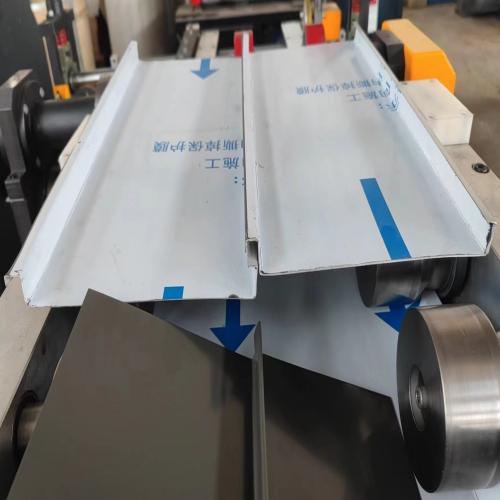
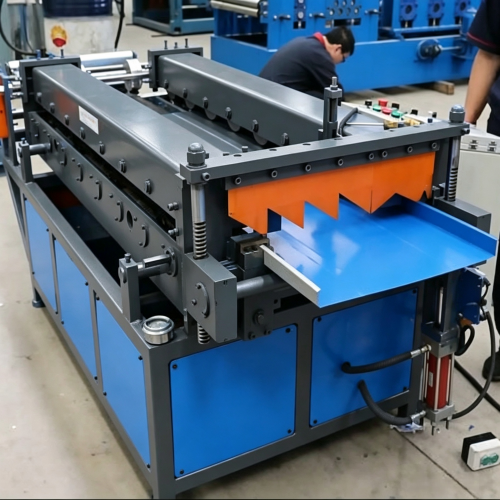
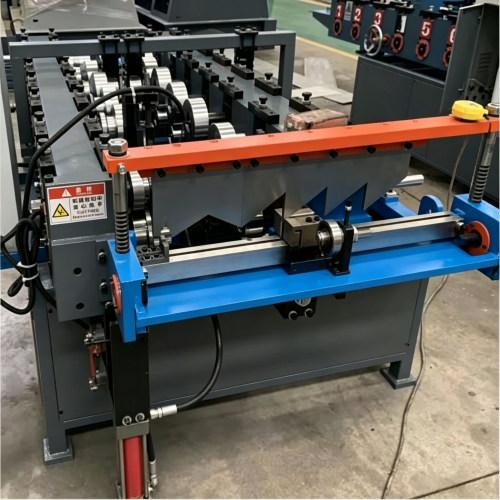
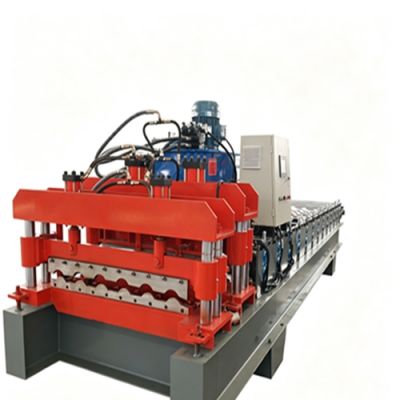
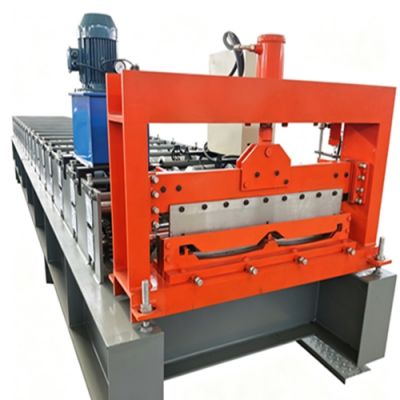
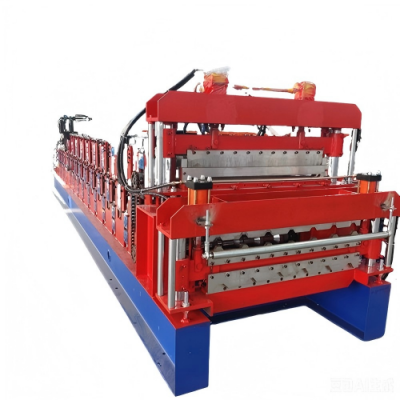
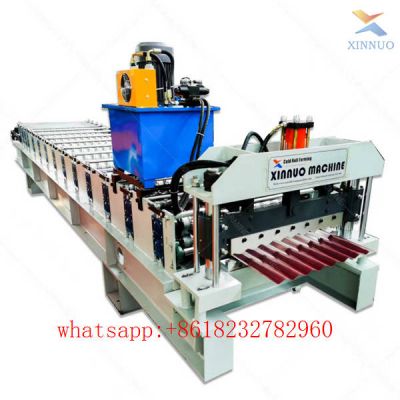
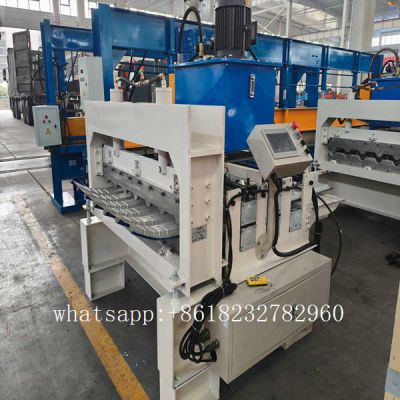
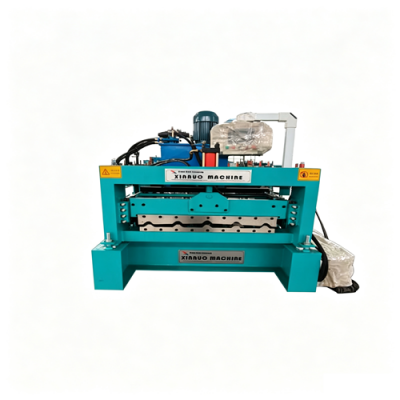
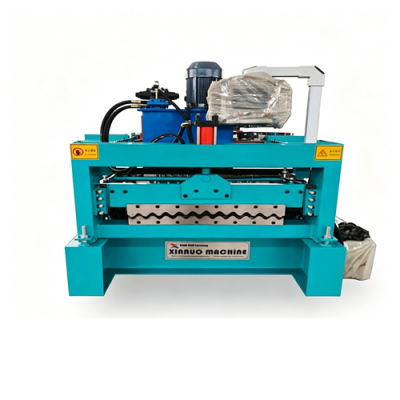
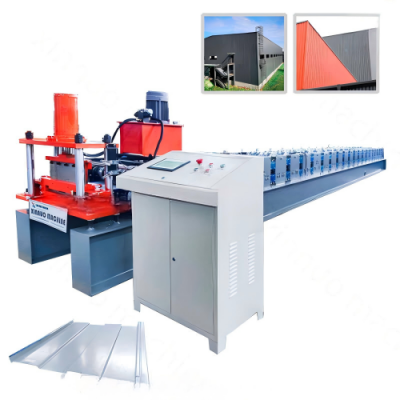
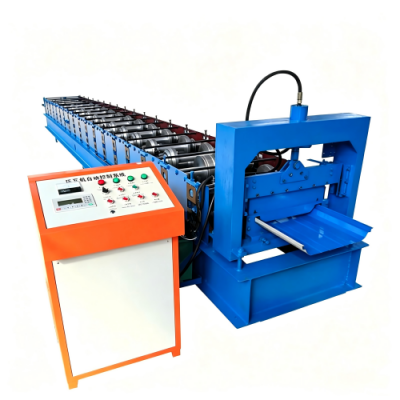
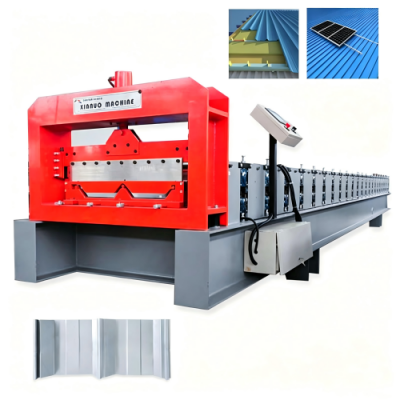
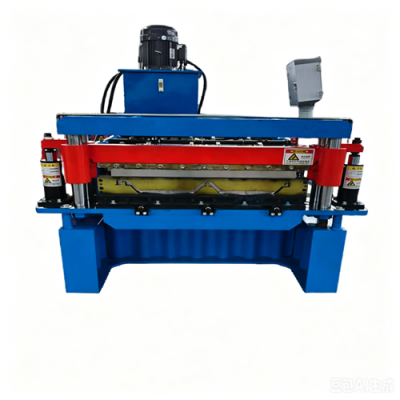
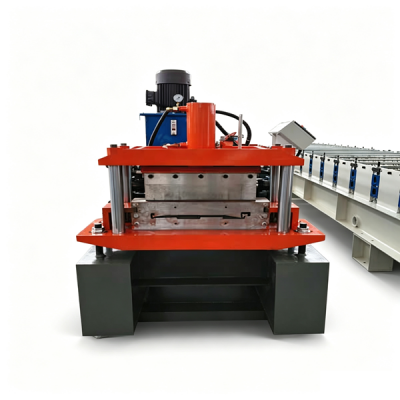
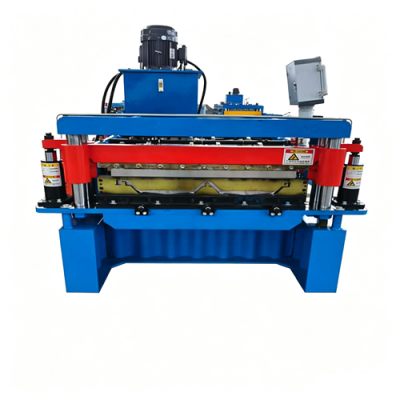
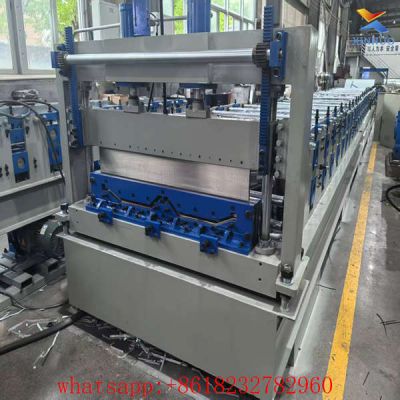
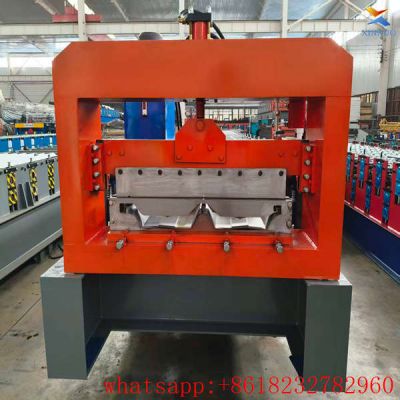
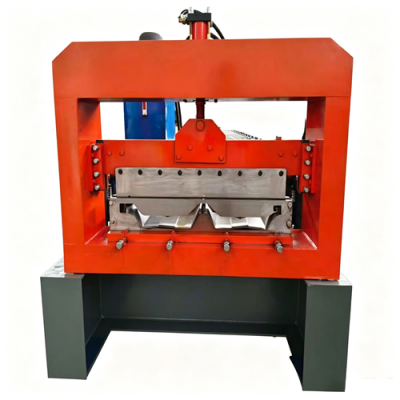
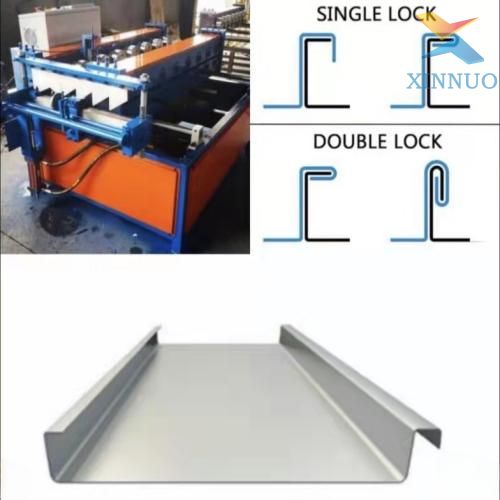
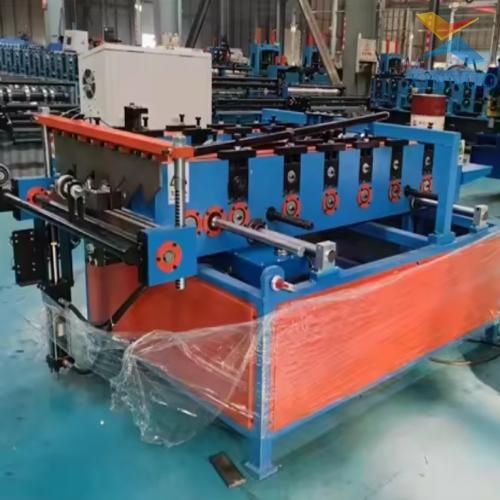
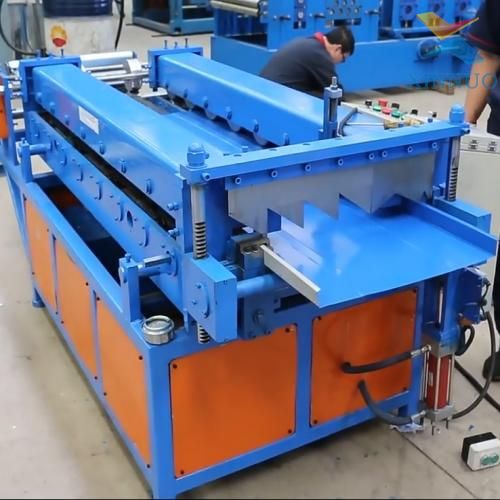
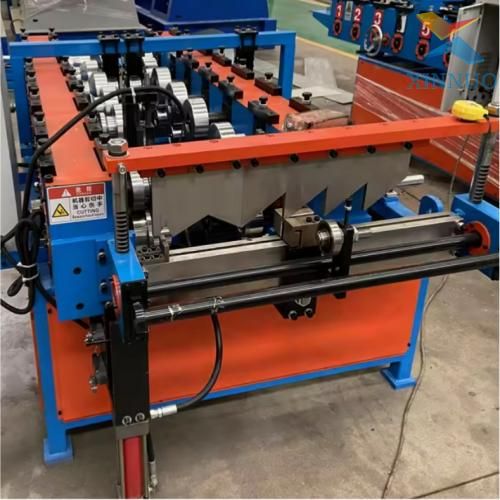
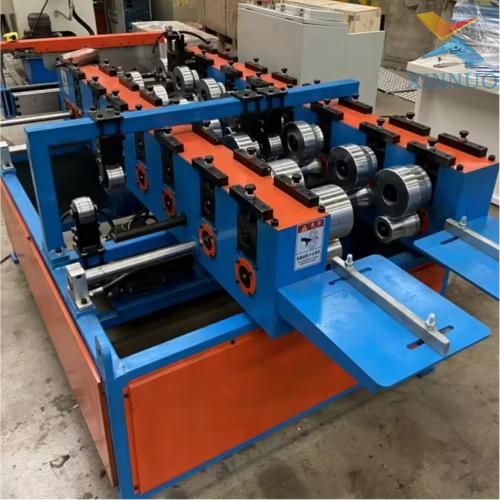
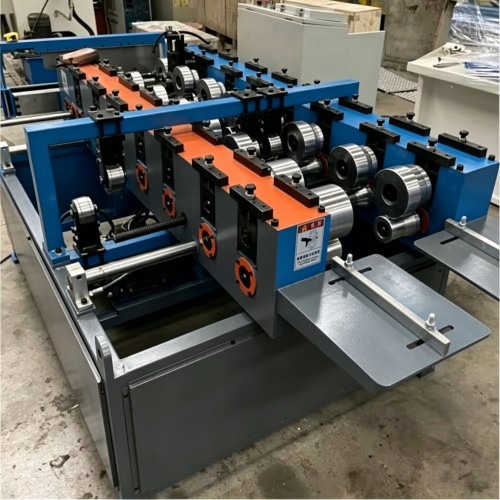 The XINNUO Portable Standing Seam Metal Roof Panel Roll Forming Machine is designed for on-site or workshop production of standing seam metal roof panels. The supplied images show a compact forming machine, a formed standing seam roof panel, and cross-section examples marked as single lock and double lock. The equipment is intended to progressively shape metal coil into interlocking roof panels that can be prepared close to the construction site or produced in a controlled workshop environment.
Standing seam roofing is based on raised side joints rather than exposed fasteners across the main roof surface. The panel edges are formed so that adjacent panels can interlock or be mechanically seamed according to the selected profile design. This configuration can support a clean roof appearance and reduce the number of visible fasteners on the main panel surface. The final joint structure, lock shape, seam height, and installation method must be confirmed from the approved cross-sectional drawing before the roller system is manufactured.
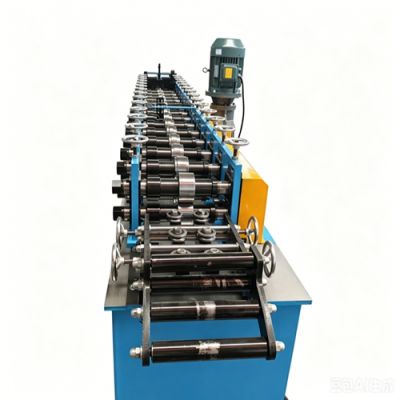
The forming process uses multiple roller stations to gradually develop the panel shape. Each station performs a controlled adjustment to the metal strip, helping form the flat roof surface, raised seams, edge folds, and other profile features in the correct sequence. Progressive forming is important because standing seam panels require accurate edge geometry for reliable joining. Properly aligned rollers, guides, and shafts help reduce profile deviation and support a consistent panel width along the production length.
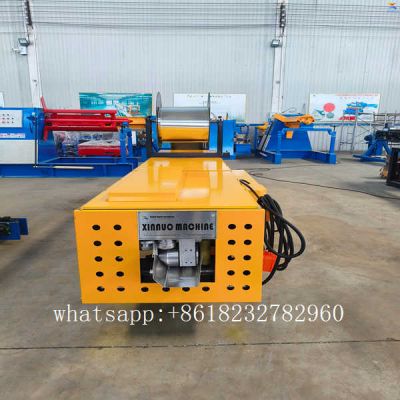
The machine can be configured for suitable pre-painted steel, galvanized steel, or other approved roofing materials after the customer confirms the material grade, thickness, coil width, yield strength, and coating requirements. The feeding section guides the coil into the forming path, while the drive system coordinates the roller stations during operation. The compact machine structure shown in the images is suitable for projects that require practical transportation, flexible positioning, and production close to the installation area. Final portability, lifting points, transport method, and workshop requirements should be confirmed in the technical proposal.
The supplied image includes examples of single-lock and double-lock standing seam profiles. These examples should be treated as profile options rather than proof that both lock designs are included in the specific machine shown. XINNUO can review the customer’s required seam arrangement and engineer the forming rollers accordingly. The final lock profile, edge dimensions, seam height, panel width, and compatibility with the field seaming tool must be confirmed from the approved drawing and installation method.
Portable production can provide practical advantages for roofing contractors and metal building manufacturers. Instead of transporting very long finished panels from a distant factory, the operator may produce panels closer to the construction site, subject to project conditions and equipment configuration. This can improve handling flexibility and allow panel lengths to be coordinated with the roof layout. The actual production arrangement should consider coil supply, material storage, power availability, operator access, panel handling, weather protection, and site safety requirements.
The forming line is suitable for customized standing seam roofing projects involving different building layouts, roof lengths, panel finishes, seam arrangements, and local construction practices. Customers can submit a roof panel drawing, seam detail, sample panel, or installation description for engineering review. XINNUO can then evaluate the forming sequence, roller arrangement, feeding requirements, control method, cutting solution, and necessary support equipment. This profile-based process helps ensure that the machine is selected for the actual roofing system rather than for a general product name alone.